
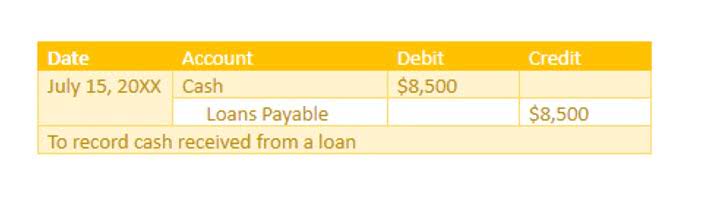
If cash flow is consistently negative, it may indicate the need to cut expenses, improve invoicing practices, or secure funding to maintain operations. Monitoring this statement helps prevent cash shortages and supports better financial planning. Brokerage services for Atomic are provided by Atomic Brokerage LLC (“Atomic Brokerage”), member what is business accounting of FINRA/SIPC and an affiliate of Atomic, which creates a conflict of interest. See details about Atomic, in their Form CRS, Form ADV Part 2A and Privacy Policy. See details about Atomic Brokerage in their Form CRS, General Disclosures, fee schedule, and FINRA’s BrokerCheck. Our partners compensate us for advertisements that appear on our site.
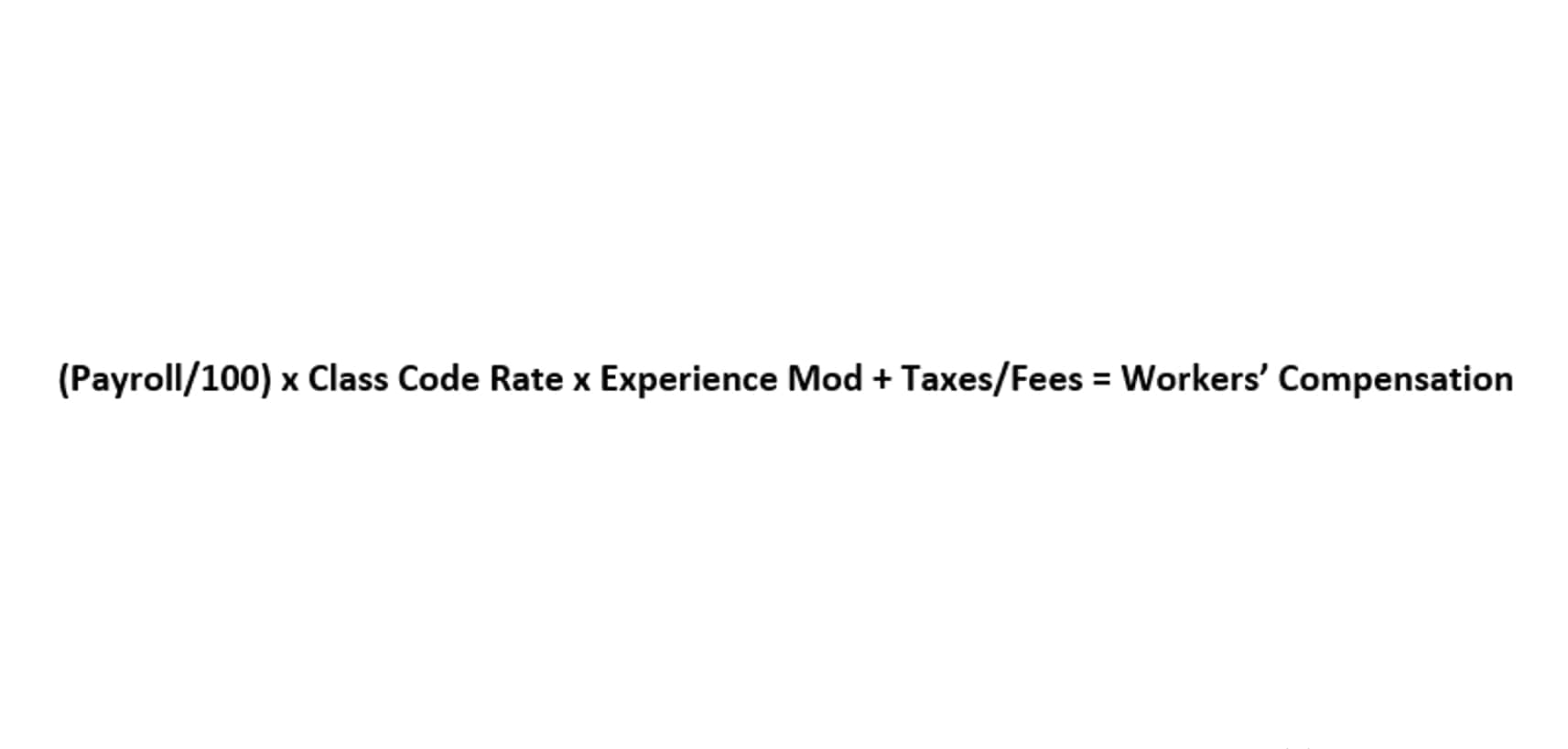
Revenue and Expenses
There are many different types of accountants who specialize in different areas, as well as a ton of different settings where they can work. A trial balance report is used to ensure that the total debits equal the total credits. The financial accounts are taken from the ledgers and made into a report in order to see if the columns match up. If the columns do not add up, then this is an indication that there is an error in the ledgers or account. Business accounting is the systematic recording, analysing, interpreting and presenting of financial information.
Streamline your accounting and save time

Integrated reporting normal balance combines financial and non-financial data, offering a full view of value creation, transparency, and stakeholder trust. See the top 10 reporting systems that help businesses automate data, build dashboards, and improve decision-making with real-time analytics. Financial accounting gives you a clear picture of your business’s position and helps you build trust with stakeholders. You need to set prices, control costs, and optimize your product mix to maximize profit.
Should i hire an accountant for my small business?
CFI is on a mission to enable anyone to be a great financial analyst and have a great career path. In order to help you advance your career, CFI has compiled many resources to assist you along the path. Accounting.com is committed to delivering content that is objective and actionable. To that end, we have built a network of industry professionals across higher education to review our content and ensure we are providing the most helpful information to our readers. Professionals working in multinational settings may encounter both http://actupcork.com/?p=2546 GAAP and IFRS standards, depending on the regions in which they operate.

Should I do my own accounting or hire an accountant?
To ensure the best performance, accountants adhere to standardized rules. Accounting success relies on generally accepted accounting principles (GAAP), up-to-date statements, and the accounting cycle. Accounting is a term that describes the process of consolidating financial information to make it clear and understandable for all stakeholders and shareholders. The main goal of accounting is to record and report a company’s financial transactions, financial performance, and cash flows. More advanced versions integrate with other office management programs, display data trends, pay accounts receivables, remit invoices, and ensure that tax requirements are met. Extensive data storage within accounting software increases your company’s efficiency, allowing quick access to details like payment history.

- CPAs can analyze bookkeeping records, help with payroll and taxes, offer financial consulting, and represent you during IRS audits.
- Internal users are the people within a business organization who use accounting information.
- With this system of accounting, you use accounts payable and accounts receivable to reflect income and expenses.
- This includes recording revenue such as product sales and expenses like purchasing supplies.
- Accounting is critical for groups and individuals and operate as the basis of economic selection-making and compliance.
Once you’ve set up a preferred method, you will be tasked with recording transactions as we’ve mentioned in the first section. Before you begin recording transactions, it’s important to choose a method and stick to it. Before you can begin setting up an accounting system, it’s crucial to open up a separate bank account that will not get mixed up with personal accounts. After the adjusting entries are prepared, an adjusted trial balance is made.
It is important to stay updated with these changes to ensure compliance and accurate financial reporting. Regularly review accounting standards, tax laws, and reporting requirements applicable to your business. Consider attending accounting seminars or workshops to stay informed about the latest developments in the field. Furthermore, understanding business accounting enables effective financial management. It allows businesses to track their income and expenses, identify cost-saving opportunities, and allocate resources efficiently. By analyzing financial statements and ratios, businesses can assess their financial stability, identify areas of improvement, and implement strategies for growth.
- From forensic accountants to tax accountants and nonprofit accountants to managerial accountants, each subset relates to a type of accounting role you can pursue.
- Accounting plays a vital role in the success and growth of businesses.
- These external users include potential investors, the Internal Revenue Service, banks and finance companies, as well as local taxing authorities.
- Deals with tax-related issues, ensuring that the business complies with tax laws, prepares tax returns, and plans tax strategies.
- Setting up a small business payroll system is necessary when hiring employees.
- You use it to build trust, meet legal requirements, and drive your business forward.
Payroll means all payouts to a business’s employees, including benefits, salaries, taxes, garnishments, and other deductions. Companies will use payroll processing software to streamline or outsource the task entirely. In many small businesses, a payroll manager is in charge of overseeing the payroll. Business accounting is integral to the operation of small- and medium-sized businesses.